Bench note No. 6

Sleeve the Cold Pipes Before the Freeze
How to fit foam pipe insulation so it does its job: the right size, no gaps, taped seams, and clear of the water heater flue.
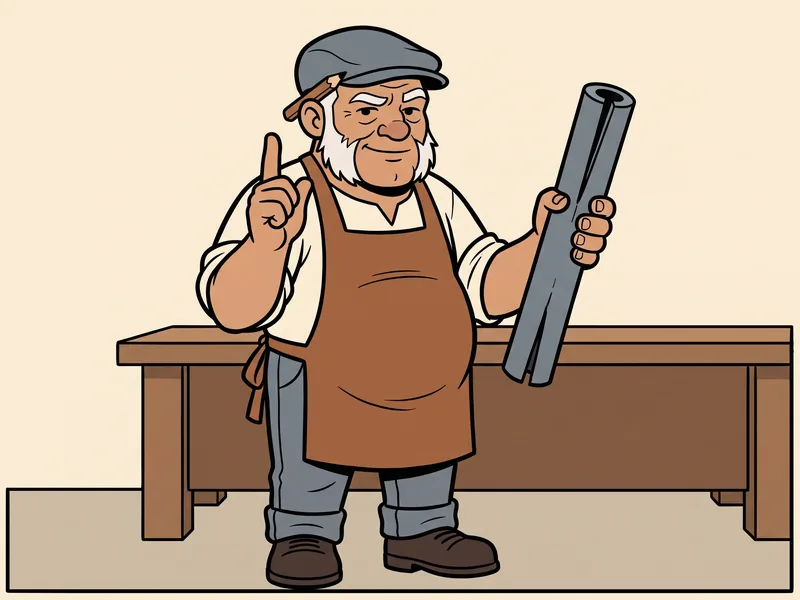
Panel 1. The Old Tradesman says: Sleeve the cold pipes before the freeze. Then the cold has to work for it.
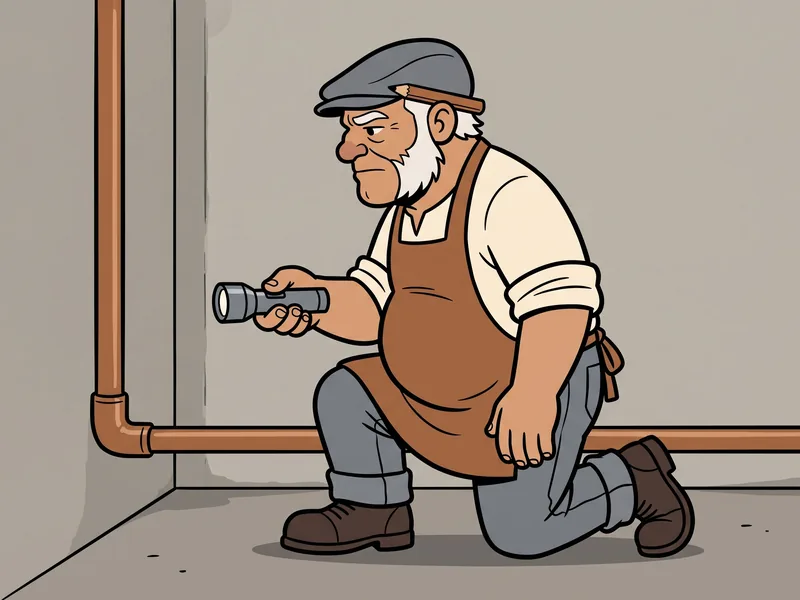
Panel 2. The Old Tradesman says: Go where the cold lives: crawl spaces, attics, garages, and pipes on outside walls.
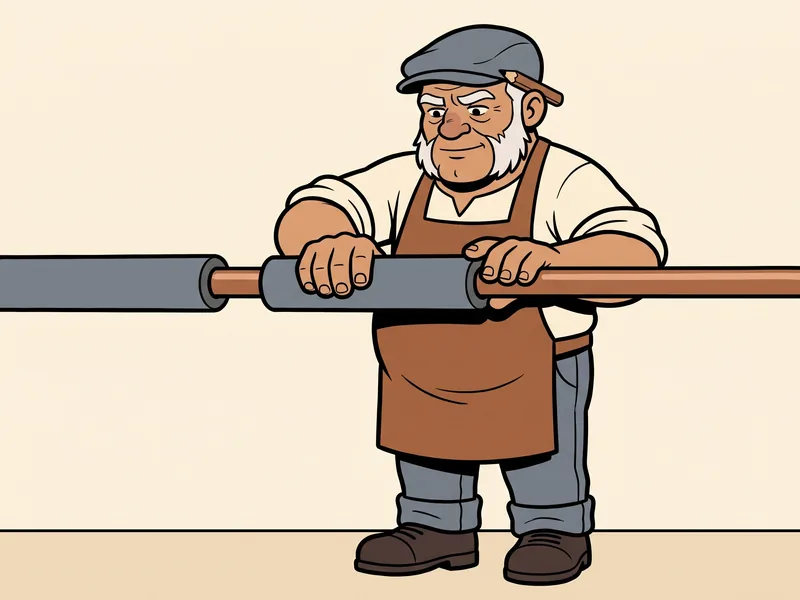
Panel 3. The Old Tradesman says: Match the sleeve to the pipe. Seam pressed shut, then slide it tight to the last piece. No gaps.
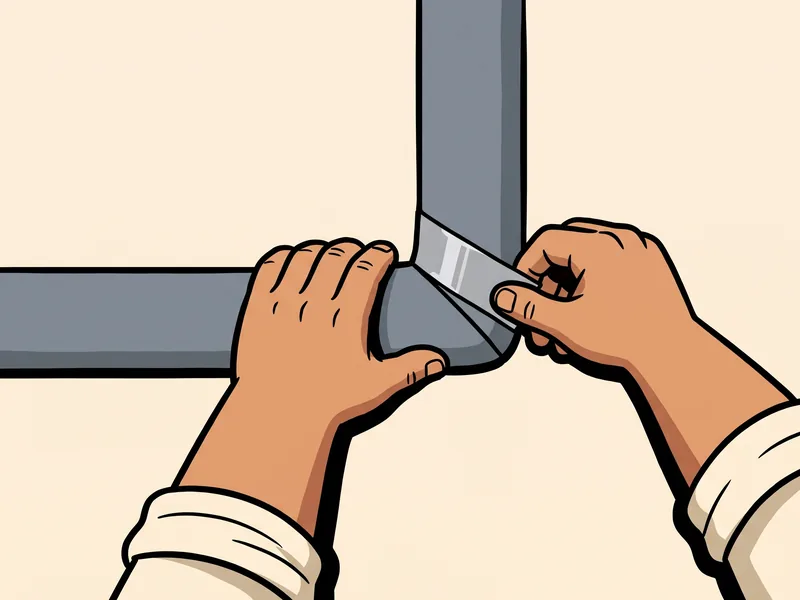
Panel 4. The Old Tradesman says: At a corner, two pieces cut at 45 degrees. Tape the corner and tape the seams. The factory glue alone is not enough.
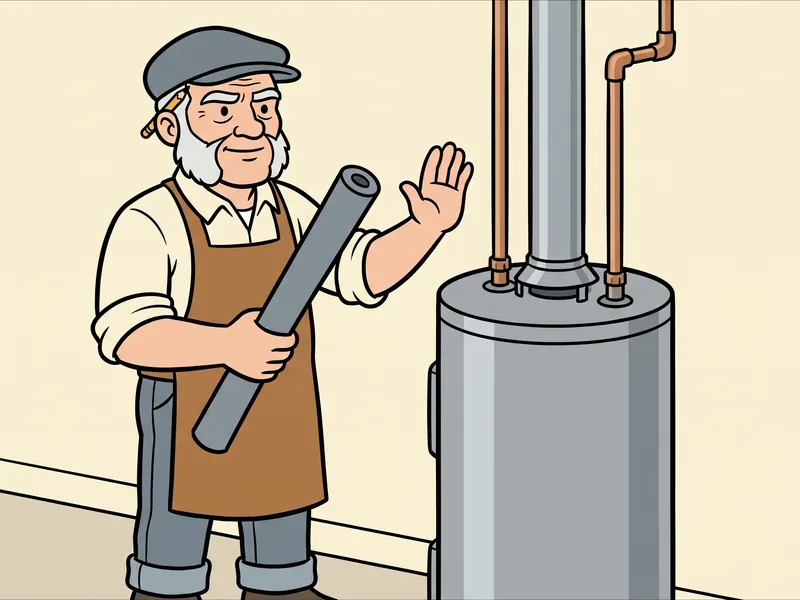
Panel 5. The Old Tradesman says: Not near the flue. Insulation stays at least six inches back.
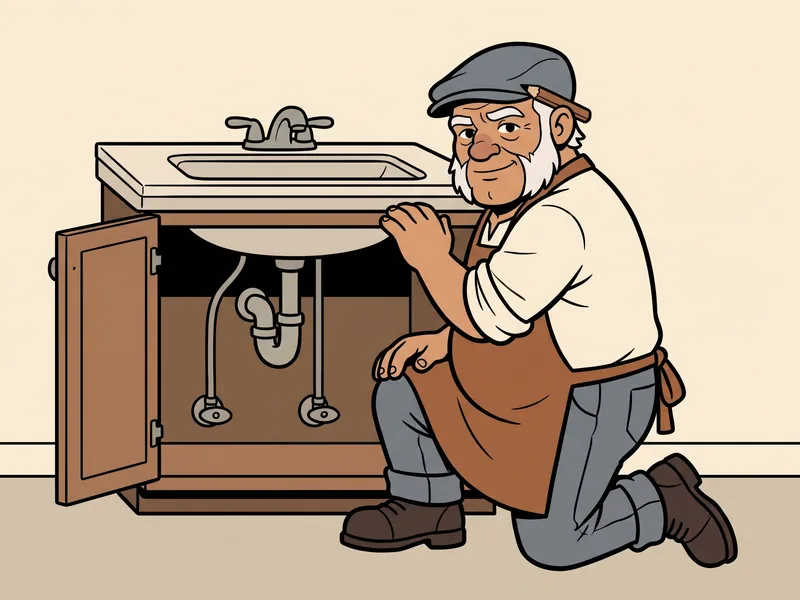
Panel 6. The Old Tradesman says: Foam slows the cold. It does not make heat. When it gets bitter, open these doors and let the faucet drip.
The note
Every winter the pipes that split are the ones living in the cold. The Red Cross names them: supply pipes in unheated spots like basements, crawl spaces, attics, garages and kitchen cabinets, and runs along outside walls with little or no insulation. Sleeve those, hot and cold both, before the first hard freeze.
Size comes first. Pipe is sold by its nominal inside size, and the foam has to fit the outside. Armacell’s chart puts a 5/8 inch sleeve on 1/2 inch copper, PEX or CPVC, and a 7/8 inch sleeve on 3/4 inch. Iron pipe runs bigger. Measure before you buy.
Wipe the pipe clean and dry, set the slit facing down, and press the seam closed. The Department of Energy’s guide says no gaps between sleeves. Its weatherization job aid says not to rely on the factory seam glue to hold, so tape the seams. At a corner, cut two pieces at 45 degrees so they meet, or use the maker’s preformed elbow. Cover the fittings too, not just the straight runs.
Near a gas water heater, keep any insulation at least 6 inches back from the flue and the draft diverter, and keep it off the relief valve. Outdoors, Armacell says its Tubolit foam must be protected from sun and weather with a weather resistant jacket or finish.
Then know what you bought. The plumbing code commentary says insulation without a heat source cannot keep a pipe from freezing; it only slows the heat loss. So seal the gaps where pipes come through outside walls, keep the garage door shut, open the sink cabinet doors when it gets bitter, and let a faucet on those pipes drip.
If a pipe has already frozen, our sister site Vent, Valve & Volt has a step by step check for a frozen pipe with no water.
References
- American Red Cross, Preventing and Thawing Frozen Pipes
- Greater Cincinnati Water Works, Frozen Pipes
- U.S. Department of Energy, Building America Solution Center, Insulate Hot Water Pipes
- U.S. Department of Energy, Weatherization Job Aid 23-3: Insulate Domestic Hot Water Pipes
- Armacell, What Size Insulation Do You Need? Pipe Size Guide (retailer-hosted copy)
- Armacell, Armaflex Installation Tips (retailer-hosted copy)
- Armacell, Tubolit Self-Seal data sheet (distributor-hosted copy)
- Durham County, North Carolina, DIY: Insulating Pipes Near Your Water Heater
- International Code Council, ICC eNews: Build It to Code to Minimize Damage from Frozen Water Pipes
- Utah State University Extension, Advice to Prevent Frozen Pipes
The technique in this note comes from these sources. He is the voice. They are the authority. The panels are cartoons, not photographs.